Trucking
NEMT contracts: what a transportation broker asks a provider for
How to read the insurance section of an NEMT broker contract: auto liability, additional insured wording, proof of insurance and driver records.
By Tanya Rodriques 3 min read
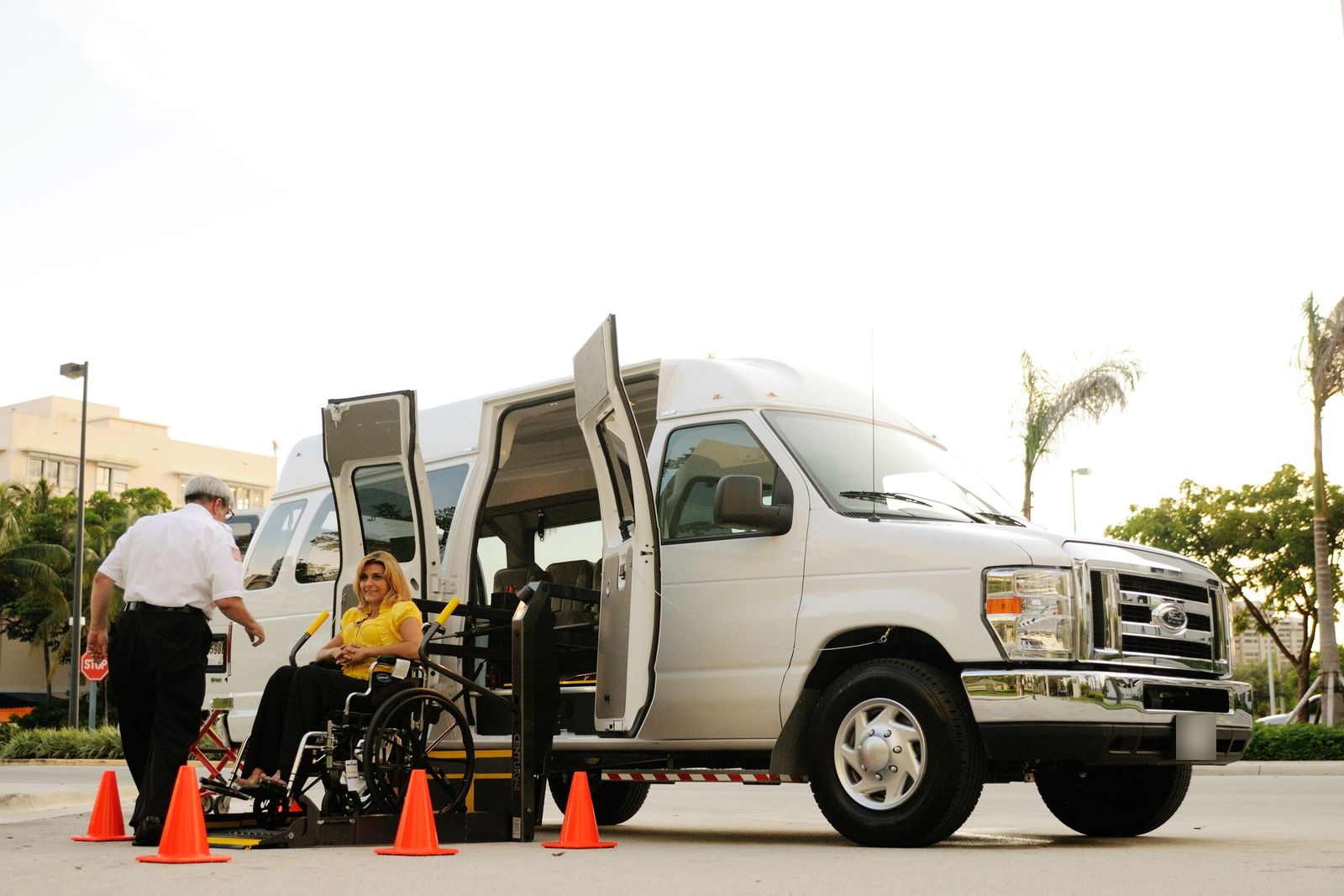
Photo: Dave Garcia, Pexels License
The short version
- A non-emergency medical transportation contract usually spells out insurance requirements in its own section, often with an exhibit attached.
- Common items include commercial auto liability, general liability, workers compensation for employees, additional insured wording and proof of insurance.
- Brokers often ask for driver screening, vehicle inspection and passenger securement records alongside the insurance.
- Read the contract with your agent before you sign it, so the policy and the paperwork line up from the first trip.
A non-emergency medical transportation (NEMT) contract usually has an insurance section that lists what the broker requires before your vans carry a single rider: commercial auto liability, general liability, workers compensation for employees, additional insured wording and proof of insurance. Read that section closely, with your agent, before you sign.
A Monday morning example
Picture a wheelchair van company in Sanford with six vehicles. A transportation broker that schedules rides to dialysis and physical therapy appointments offers a contract for trips across Seminole and Orange County. The packet runs 40 pages. Somewhere around page 30 is an exhibit titled “Insurance Requirements,” and it reads like another language.
That exhibit is the part of the contract an insurance agent can help with most. The broker is not asking for anything unusual. It is asking for proof that riders, the public and the broker itself are protected if something goes wrong on a trip.
The coverages a broker usually names
Contracts differ, but the same headings come up again and again.
- Commercial auto liability. This responds to injuries and damage your drivers cause to others while operating your vehicles. The contract will name a limit. Compare it with your policy, not with what you remember.
- General liability. This addresses injuries that are not about driving, such as a rider who trips on the way from the curb to the van.
- Workers compensation. For your employees. If any drivers are contract drivers rather than employees, expect the broker to ask how that is handled.
- Hired and non-owned auto. Some contracts ask about vehicles you rent or that employees drive on your business.
- Umbrella or excess liability. Some contracts set a total limit that is reached by stacking an umbrella on top of the auto and general liability.
The wording that trips people up
Three phrases deserve a slow read.
Additional insured. The broker may ask to be added to your policy as an additional insured. That generally extends certain protection under your policy to the broker for claims arising from your work. It is added by endorsement, and not every policy allows it in the same way.
Waiver of subrogation. Subrogation is an insurance company’s right to recover what it paid from the party responsible. A waiver gives up that right against the broker. Your insurer may need to approve it.
Notice of cancellation. The contract may ask to be told if your coverage changes or ends. What a standard proof of insurance form can promise on that point is limited, so ask how it would be handled.
Records that travel with the insurance
NEMT contracts rarely stop at insurance. Brokers commonly ask for:
- A driver list with license details and motor vehicle records.
- Background screening and drug testing records for drivers, as the contract defines them.
- Vehicle lists with VINs, inspection records and photos.
- Wheelchair lift and securement inspection logs, and training records for the drivers who use them.
- An incident reporting procedure, with a contact name and a timeline.
These records matter to an underwriter too. A provider who can hand over clean driver files and maintenance logs tells the story of a careful operation.
Before you sign
Send the insurance exhibit to your agent before you sign the contract, not after the first trip. We read it line by line, compare it with your current policies and mark anything that would need an endorsement, a higher limit or a conversation with the broker. Sometimes the answer is that your coverage already lines up. Sometimes it is a list of changes. Either way, you know before the vans roll.
What to do next
If you run wheelchair or ambulatory vans in Central Florida and a broker contract is on your desk, bring it to us. Evolve Insurance Group is an independent insurance agency in Orlando, and we will walk through the insurance section with you in plain words.
Read more about NEMT insurance, request a commercial quote, or call (407) 906-0206.
Related coverage: Non-Emergency Medical Transportation Insurance
Protecting Your Business and the Passengers Who Depend on You.
About non-emergency medical transportation insuranceKeep reading
